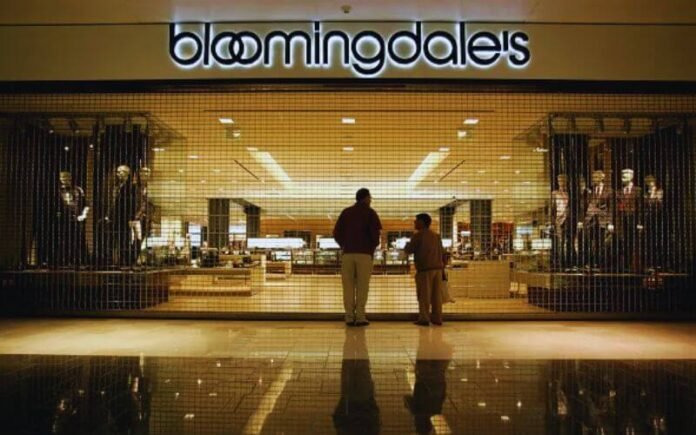
When a five-story, 330,000-square-foot flagship store announces it’s closing, people notice. Headlines spread fast, and shoppers start wondering if the whole brand is done. But a single store closing even a big, well-known one is not the same as a company shutting down.
If you’ve been seeing news about Bloomingdale’s and wondering what’s really going on, here’s a straight answer: the stores closing, why they’re closing, and what the brand is actually doing right now.
Bloomingdale’s Is Not Going Out of Business
Let’s start with the direct answer. Bloomingdale’s has not filed for bankruptcy. There is no liquidation announcement. No chain-wide shutdown has been reported.
The brand continues to operate department stores, outlet locations, and its smaller Bloomie’s concept stores. It has been in business since 1861, and right now it is still running as a functioning retail chain just with some location changes in specific markets.
The confusion is understandable. When a major flagship closes, it feels like the brand is pulling out entirely. But closing one store, or even two, is not the same as going out of business. Retailers do this regularly as part of normal portfolio management.
What Bloomingdale’s is doing is closing stores that no longer make financial sense in their current format or location not shutting down the entire operation.
Which Stores Are Actually Closing
Two specific closures have been confirmed by recent reporting.
San Francisco Centre Flagship
The most high-profile closure is the Bloomingdale’s at San Francisco Centre. The store is closing in late spring 2025. It’s a major location five floors, 330,000 square feet that opened in 2006 and served as a Bay Area anchor for nearly two decades.
This is the closure generating the most attention, and it’s easy to see why. A store that size, in that market, is hard to miss. When it closes, it feels significant. But size alone doesn’t make it a company-wide event.
Chicago-Area Location
A second closure involves a 206,000-square-foot Bloomingdale’s outside Chicago. This one is also confirmed, though it comes with an important detail: Bloomingdale’s plans to replace it with a smaller Bloomie’s concept store, roughly 50,000 square feet.
That’s not a shutdown. That’s a format change and it tells a different story than the headlines suggest.
If there are other locations you’re concerned about, check your local news directly. Store-specific closure information is the most reliable way to get accurate details for your market.
Why Bloomingdale’s Is Closing These Locations
This is where it helps to think like a business operator rather than a shopper.
Large department stores in expensive urban markets cost a lot to run. Rent, staffing, utilities, and maintenance for a 330,000-square-foot building in San Francisco add up fast. When foot traffic drops or the surrounding retail environment changes, those costs become harder to justify.
San Francisco’s retail landscape has shifted considerably in recent years. Several major retailers have pulled back from the city, citing lower foot traffic, changing consumer patterns, and the economics of operating in a high-cost downtown market. Bloomingdale’s is not alone in making this call.
The company described the San Francisco exit as a local decision one driven by conditions specific to that market, not by a broader financial crisis. That framing matters. It means the brand is reading the market and responding to it, not running from creditors.
Retailers close underperforming or mismatched locations all the time. It’s called portfolio management. You keep the stores that work, exit the ones that don’t, and redirect resources toward formats and markets that fit your current strategy. That’s what appears to be happening here.
The Bloomie’s Concept Points to Adaptation, Not Retreat
The Chicago-area situation is worth looking at more closely, because it reveals something important about where Bloomingdale’s is heading.
Instead of simply closing a 206,000-square-foot store and walking away, the brand plans to replace it with a 50,000-square-foot Bloomie’s location. That’s a significant downsizing but it’s also a deliberate move toward a different format, not an exit from the market.
Bloomie’s is a smaller, edited version of the Bloomingdale’s brand. It’s designed to work in different retail environments ones where a massive traditional department store doesn’t fit the footprint or the customer base. Think less floor space, curated product selection, and a shopping experience built for how people actually shop today.
Retailers experimenting with smaller formats are not winding down. They’re testing what works. The traditional department store model giant anchor stores in large malls has faced real pressure over the past decade. Brands that adapt by trying new concepts are making a business decision to stay relevant, not disappear.
The shift from a 206,000-square-foot store to a 50,000-square-foot concept is a bet that a smaller, well-positioned store can outperform a larger one that no longer fits the market. That’s strategy, not distress.
What Bloomingdale’s Shoppers in Affected Markets Should Know
If you’re a Bay Area shopper wondering what this means for you, here’s what’s practical to know.
Bloomingdale’s continues to operate locations at Stanford Shopping Center and Valley Fair in the Bay Area. The San Francisco Centre store is closing, but it is not the only option in the region.
Bloomingdale’s also operates online, so shoppers in markets without a nearby store aren’t cut off from the brand entirely. That’s worth keeping in mind if your local store closes and the next closest location isn’t convenient.
On the San Francisco closure specifically, Bloomingdale’s stated it hopes to return to the city and find new ways to serve local shoppers. That’s not a guarantee, but it does signal that the company isn’t treating the closure as a permanent goodbye to the market. Whether that return happens and in what form remains to be seen.
If you’re near a closing location and want to take advantage of clearance pricing before the doors shut, check the store directly for markdown timelines. ABC7 reported that the San Francisco location was offering significant discounts as it moved toward closure, which is standard practice for any store winding down inventory before a final close date.
For retail professionals and business watchers tracking what’s happening more broadly in the department store sector, resources like Smart Business Wire cover these kinds of market shifts with analysis focused on real business implications not just headlines.
The Bottom Line
Bloomingdale’s is not going out of business. Two stores are closing one in San Francisco and one outside Chicago for reasons tied to local market conditions and format strategy, not a company-wide financial collapse.
The Chicago-area situation is actually a replacement, not a shutdown. A large traditional store is being swapped for a smaller Bloomie’s concept location, which suggests the brand is testing new formats rather than retreating from the market.
The San Francisco closure is more of a clean exit at least for now with the company expressing interest in returning to the market in some form down the road.
If you’re a shopper, check whether your local store is affected and look into nearby alternatives or online options. If you’re a retail professional, the Bloomingdale’s moves are a useful case study in how legacy department store brands are navigating the gap between large-format legacy stores and what today’s retail environment actually supports.
The headline “Bloomingdale’s closing stores” is accurate. The conclusion that the brand is done is not.
Also Read: